Upcoming screenings and lectures
-
-
-
-
-
-
-
-
-
CURRENT
-
-
-
-
-
-
-
-
February 29, 2012
-
-
Friends of the Helen Louise Allen Textile Collection
Private Showing at Wisconsin Institute for Discovery
-
-
-
-
-
-
-
-
-
-
March 8, 2012
-
-
Friends of the Art Museum of the Chinese University of Hong Kong
Private Showing
-
-
-
-
-
April 17 - 20, 2012
-
-
3rd Mexican International Film Festival
Hong Kong, China
-
-
September 19 - 22, 2012
-
September 19 - 22, 2012
-
March, 2013
-
Fashion and Textile Museum of London
-
On-going showings as s part of Rebozo Exhibition
London, UK
-
-
Sept, 2013
-
Franz Mayer Museum
-
On-going showings as s part of Rebozo Exhibition
Mexico City, Mexico
-
Dec, 2013
-
Museo Textil de Oaxaca
-
On-going showings as s part of Rebozo Exhibition
Oaxaca, Mexico
-
Related exhibitions
-
July 6 – November 2012
-
Tormentas y Sueños
-
Museo Textile de Oaxaca
-
Oaxaca, Oaxaca Mexico
-
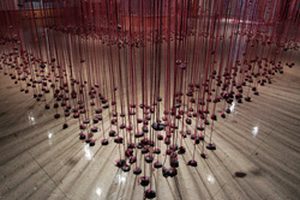 March 25 � May 20, 2011
-
Deseos
-
-
Elaine L. Jacob Gallery
-
Wayne State University, Detroit, MI
-
April 22 - July 28, 2011
-
Esperanza
-
-
Gordon Parks Gallery
-
Metropolitan University, St. Paul MN
-
-
In conjunction with:
-
Surface Design Association International Textile Conference
Past Events
|
-
-
-
Nov. 3 - 6, 2011
-
-
-
-
MADISON AREA EVENTS IN CONJUNCTION WITH VISIT BY ZAPOTEC WEAVER ERASTO ¨TITO¨ MENDOZA:
-
Tito Mendoza is one of Oaxaca's finest weavers. Originally from Teotitlán del Valle, Tito was a weaver for the world renowned La Mano Mágico. Lila Downs has commissioned numerous pieces from Tito which are used in her performances and PR. His work ¨Aires Zapotecos¨ was a finalist in the VI International Biannale of Contemporary Textile Art Tito and his wife Ale now own the store El Nahual in the historic center of Oaxaca. More information about Tito and his work can be seen at:
http://elnahualfolkart.blogspot.com/
-
Friday October 7th 5:00 pm
-
Centro Hispano
http://micentro.org/
810 Badger Road
Madison WI
Screening (in Spanish with English subtitles)
-
Visiting Zapotec weaver, Tito Mendoza who is featured in the film will be at the event to show his work and to talk about his art.
-
-
-
-
-
-
-
Monday October 10th 7:00 pm
-
Madison Weaver`s Guild
-
Oakwood Village on Mineral Point Rd
-
(Westmoreland Room in Heritage Oaks Building)
Screening (in English)
-
Visiting Zapotec weaver, Tito Mendoza who is featured in the film will be at the event to show his work and to talk about his art.
-
-
-
-
Tuesday October 11th 3:30 pm
-
University of Wisconsin-Whitewater
University Center room 266
Whitewater, Wisconsin
Screening (in Spanish with English subtitles)
-
Visiting Zapotec weaver, Tito Mendoza who is featured in the film will be at the event to show his work and to talk about his art.
|
Friday September 23
-
1:00 pm
-
September 22 – 23
-
-
July 13 and July 16
-
-
-
June 10, 2011
-
April 29, 2011
-
UW - Madison Alumni Weekend Events
-
Lecture: Behind the Scenes of Woven Lives: Spinning the Tale
-
Film Screening of Woven LIves (English)
-
For more information:
gevans@vidasentretejidas.com
-
April 23, 2011
-
World Premiere and Celebration
-
Univesity of Wisconsin-Madison
-
For more information:
UW LACIS
-
-
November 16, 2010
-
Latin American Caribbean and Iberian Studies
-
University of Wisconsin-Madison, Madison Wisconsin
-
Lecture: Behind the Scenes:
Vidas Entretejidas/Woven Lives
-
September 6, 2010
-
First Encounter of the Ibero-American Textile Network
-
San Jos�, Costa Rica
-
Lecture:
Vidas Entretejidas: Pre-release Presentation
|
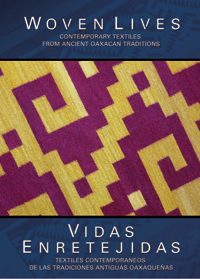
Screenings and lectures extend the life of a documentary beyond the screen, turning a film into a conversation. When Woven Lives travels to museums, textile guilds, universities, and film festivals, each showing becomes an occasion for weavers, scholars, and curious audiences to gather around the same images and ask what they mean for the people behind them. The lecture that often accompanies a screening adds context about backstrap looms, natural dyes, and the patient rhythm of handwork, so that viewers leave with a deeper sense of the craft rather than a passing impression of colorful cloth.
A lecture hall and a village workshop are different rooms, but they share a purpose: passing knowledge from one person to another. Talks built around the film tend to move between the two, describing how Zapotec weavers in Oaxaca prepare yarns, work the loom, and read the patterns that carry family and community memory. Audiences often arrive expecting a travelogue and leave thinking about labor, identity, and how technologies old and new meet in contemporary textile practice. That shift in understanding is the quiet aim of every presentation.
Institutional showings give the work a scholarly and civic footing. Textile collections, art museums, and design institutes host private viewings where curators, students, and collectors can look closely at the cloth on screen and discuss the documentary's approach to documenting craft. These gatherings are less about spectacle than about study, and they invite the kind of slow attention that weaving itself demands. Questions about dye sources, loom construction, and the economics of handmade goods often carry the conversation well past the closing credits, which is exactly the point.
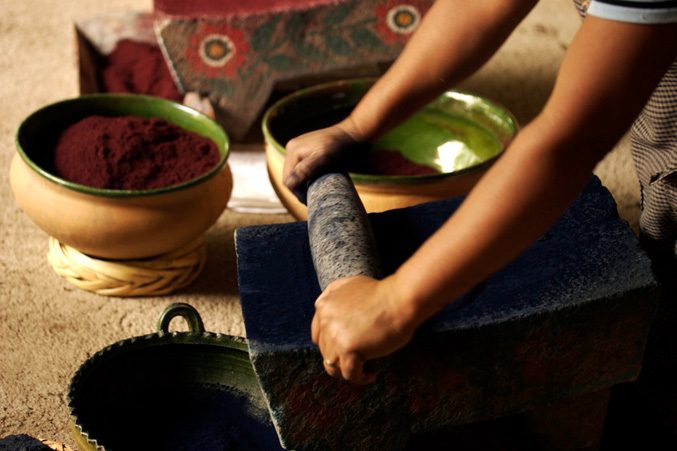
Festivals bring a different energy. In a program crowded with stories from around the world, a film about Oaxacan weavers stands out for its patience and its beauty, and international audiences respond to the richness of its sights and sounds. Screenings abroad also create unexpected bridges, connecting weavers in Mexico with textile communities far from home who recognize shared techniques and shared concerns about keeping handmade traditions alive. For many viewers, the film is a first encounter with cochineal red and backstrap weaving, and that first encounter often leads to further reading and further curiosity.
Beyond any single event, the screenings and lectures form an ongoing project of documentation and exchange. Each conversation adds perspective, whether from a historian tracing the trade in silk and dye, an artist thinking about contemporary practice, or a visitor simply moved by the people and landscape of Oaxaca. The film was made to celebrate extraordinary artisans and to illustrate how culture and identity are retained through cloth, and every presentation renews that purpose. Audiences who come for the images stay for the questions, and those questions keep the story of woven lives moving forward.